


Wellness spaces. Popping up everywhere. Homes. Hotels. Gyms. Spas. Recreational facilities. Two options getting extra attention? Saunas. Cold plunges. Heat on one side. Cold on the other. Total contrast. Usually linked with relaxation. Leisure. Downtime. But the design side? Very practical. Space. Ventilation. Electrical needs. Water management. Construction materials. Ongoing maintenance. All of it matters.
Knowing how these systems work helps. Homeowners. Designers. Property developers. Smarter decisions. Whether the space is residential or commercial.
What Is a Sauna?
A sauna. Enclosed space. Built to get hot. Traditional ones? Heated stones. A sauna heater. Modern ones? Might use infrared. Or other heating systems. Temperature varies. Humidity too. Construction materials. Heating method. Big differences from one sauna type to the next.
Wood’s the usual material. Handles warm interiors well. Gives that classic sauna look everyone recognizes. But details matter. Type of wood. Insulation. Ventilation. Heater placement. Interior layout. All shape the experience. And how long the whole thing lasts.
Ventilation’s a must. Honestly, can’t skip it. Fresh air keeps temperature and humidity in check. Keeps the space comfortable. Electrical work too. Has to match the heater. And every other piece of equipment. Built right from the start.
Infrared Sauna and Red Light Therapy
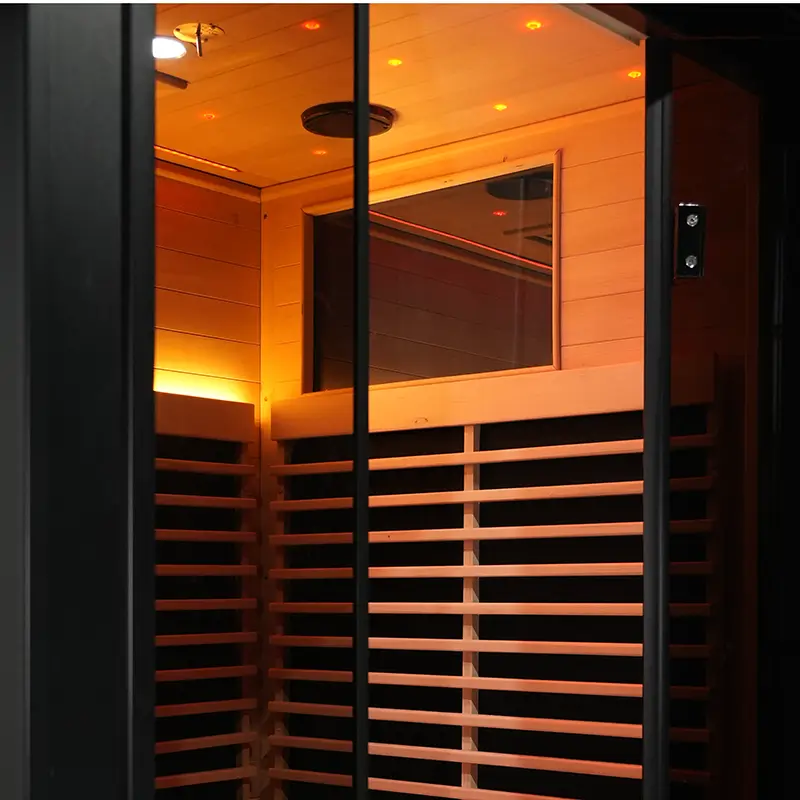
Infrared saunas work differently. Not mainly heating the air. Infrared elements send out infrared energy. Warms the body directly. So the air can stay cooler. Lower temperatures than some traditional saunas. Still warm. Just a different kind of warm.
Some modern setups go further. Pair infrared heat with red light tech. An infrared sauna with red light therapy might add dedicated light panels. Right alongside the infrared elements. Red and near-infrared light show up in various wellness and research settings. Effects depend on a lot, though. Wavelength. Exposure time. Intensity. Individual circumstances. No one-size answer.
Worth keeping two things separate. The general relaxation a sauna gives. And specific health claims tied to particular tech. Different things. Consumers should check manufacturer specs. Talk to qualified healthcare professionals too. Especially when buying wellness equipment for a specific medical reason.
Sauna Design in Residential Spaces
Saunas don’t have to be huge. Not at all. Compact models fit in bathrooms. Home gyms. Basements. Bedrooms. Dedicated wellness rooms. Bigger installations hold several people. Can anchor an outdoor leisure area.
Location’s a big part of planning. Indoors? Needs proper electrical connections. Ventilation. Moisture management. Structural considerations. Outdoors? Even more to think about. Weather exposure. Drainage. Insulation. Foundations. Protection from moisture. Every season.
From a construction and real estate angle, a sauna shapes the whole wellness area. How it flows. Designers often put it near showers. Changing areas. Relaxation spaces. Outdoor seating. Creates a practical sequence. One activity leading into the next. Makes sense.
Understanding Cold Plunges
Cold plunges. The complete reverse of a sauna . No warmth. Chilled water, instead. Kept at selected temperature. The system normally consists of several components. A tub or basin. Water circulation is a device. Filtration elements. A chilling unit. Everyone working together.
Indoors or outdoors. Both work. Outdoor installs need extra thought. Weather. Drainage. Electrical safety. Water protection. Indoor installs need proper waterproofing. Drainage too. Water spills happen. Condensation happens. Surrounding surfaces take the hit.
Filtration and water care matter a lot. Maybe most of all. Regular cleaning. Proper water treatment. Checking circulation components. Keeps conditions hygienic. Plain and simple.
Choosing Equipment for a Wellness Area
Planning a sauna or cold plunge? Look past appearance. Way past. Equipment should match real needs. Number of users. Available space. Installation environment. Electrical capacity. Maintenance requirements. Pretty unit that doesn’t fit the space? Wrong unit.
For businesses and property developers, working with experienced cold plunge manufacturers helps clear up the technical side. Cooling capacity. Filtration. Insulation. Dimensions. Installation considerations. Stuff that’s easy to get wrong alone.
Sauna equipment deserves the same scrutiny. Heating technology. Temperature controls. Construction materials. Ventilation requirements. Electrical specifications. Available space. Check it all. Before buying.
Safety and Maintenance Considerations
Hot or cold. Both need responsible use. Sauna users should watch hydration. Temperature. Session length. Personal tolerance. Everyone’s limit is different. People with certain medical conditions or concerns? Get professional medical advice first. Before any high-heat or cold-exposure equipment.
Cold plunges need caution too. Real caution. Sudden cold water exposure can put serious stress on the body. Beginners shouldn’t treat extreme temperatures like a competition. Or long exposure like a challenge. Not worth it.
Maintenance matters just as much. Sauna interiors? Clean and dry. Heaters, electrical connections, ventilation, structural parts? Inspected when needed. Cold plunge systems? Regular attention. Water quality. Filters. Pumps. Cooling equipment. Drainage. Skip it and problems build fast.
Creating a Balanced Wellness Environment
Saunas and cold plunges fit lots of property types. Private homes. Hotels. Fitness centers. Spas. Recreational facilities. Their value, though? Not just the equipment. Thoughtful planning. Safe installation. Proper maintenance. Realistic expectations. That’s what makes them worth it.
A balanced wellness area might combine a few things. Heat. Cooling. Showers. Relaxation spaces. Storage. Changing facilities. Good design makes them work together. No extra maintenance headaches. No construction problems down the line.
Bottom line? Saunas and cold plunges are practical building features. Lifestyle features too. Both need careful thought. Know the technology. The installation needs. The safety factors. The maintenance. Makes it way easier to build a wellness space that’s comfortable. Functional. And actually gets used.

The ProThots editorial team researches and writes evidence-based content on health, beauty, wellness, and lifestyle