


Children aged 5-16 today are growing up in the age of smartphones and other digital devices. From a very young age, online classes, mobile games, and streaming platforms have become a regular part of their daily routine. In many families, both parents are working, so it becomes difficult to closely monitor children’s screen habits.
Sometimes, when toddlers cry, parents hand them a phone to calm them down. Over time, this turns into a habit. Soon, children start asking for a phone while eating or at any other time of the day. For many parents, this feels like the easiest solution.
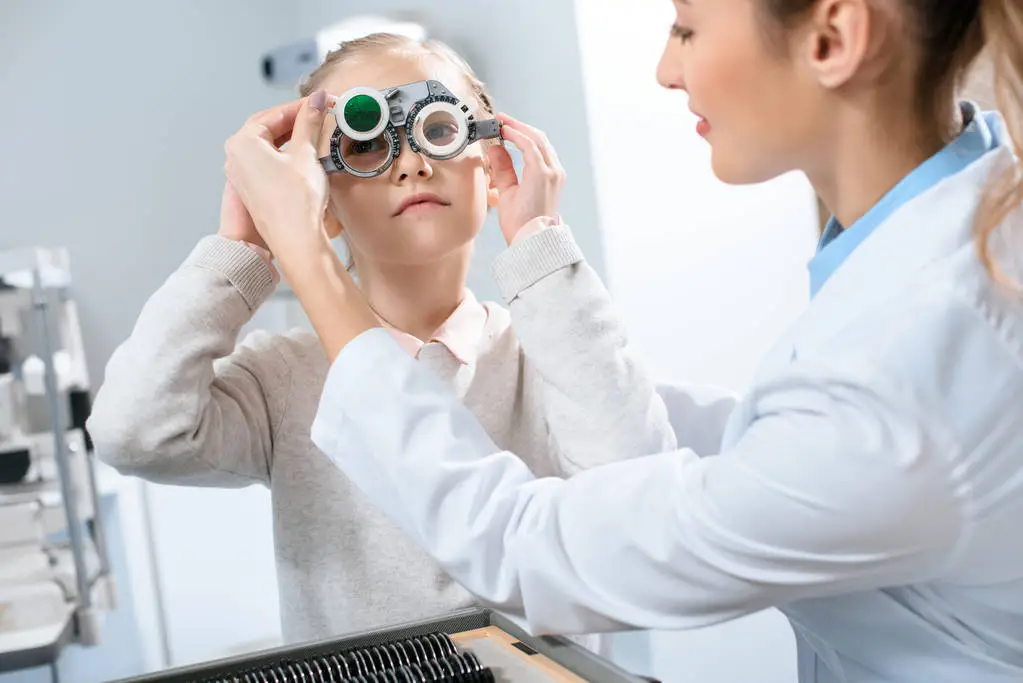
While technology does help children learn and stay connected, many parents slowly begin to notice eye problems such as headaches, tired eyes, and frequent eye discomfort in their kids. In such situations, consulting an experienced eye pediatrician can help identify early signs of vision issues and guide proper care.
The real issue is not technology itself, but how much time children spend on screens and how little attention is given to eye care. Without healthy habits, excessive screen use can gradually affect a child’s vision and overall eye comfort.
This article explains how, by following a few simple tips and steps, parents can protect their child’s eyesight in the digital age.
How screen time affects your child’s eye health
The eyes of children are designed to watch, play, and discover the world around them, not to constantly focus on a smartphone or a laptop screen for hours.
Think about a normal day. Online classes in the morning, homework on the laptop, tuition videos on YouTube, and then cartoons or games in the evening. By the end of the day, a child’s eyes hardly get any real rest.
This much screen time can lead to eye strain, discomfort, and tired eyes. Another problem is that they don’t blink as much when indulging in screen time. And this causes dryness and irritation.
Many parents also notice headaches or blurred vision after long screen use. Some children even complain that they cannot see clearly on the board in their classroom because they have spent too much time on the screen. Too much screen time can also affect their sleep routines because of the bright screens. It does not mean that children should not use screens at all.
Set healthy screen time limits
One of the best ways to protect your child’s eyes is to reduce how long they use mobile phones, tablets, and computers each day. As a parent, try to keep your child’s screen time as low as possible. Encourage them to play with toys, draw, read books, or play outside instead of using a phone.
For school-going children, screens are often needed for online classes and homework. Even then, try to balance screen time with offline activities like writing, reading, or doing projects on paper.
When parents follow the same routine every day, children also slowly adopt it. This makes it easier to build healthy screen habits and protect their eyes in the long run.
Follow the 20-20-20 rule
When children look at a screen for a long time its obvious their eyes get tired. But there is one method to give their eyes some rest. What you need to do is, after every 20 minutes of screen use, ask your child to stop and look at something far away for 20 seconds. It can be a window, a tree, or any object across the room. This small break relaxes the eye muscles and reduces eye tiredness.
You can set a mobile alarm or timer as a reminder. You can even make it a small game for your child so they enjoy taking these breaks. If children start following this habit early, it can help keep their eyes comfortable and healthy in the long run.
Make sure your child eats a healthy diet
What your child eats daily has a direct impact on their eyesight. Eating healthy foods helps their eyes develop properly and remain healthy.
Try to include foods like:
- Carrots, pumpkin, and sweet potato
- Green leafy vegetables such as spinach (palak), methi, and bathua
- Fruits like oranges, papaya, mango, guava, and amla
- Eggs and milk products
- Fish (for non-vegetarian families)
For example, you can add grated carrots to parathas, spinach to dal, or give your child an orange as an evening snack rather than giving them junk food. Children who eat healthy foods as they grow up have stronger eyes and better immunity.
Make proper sleep a daily habit
Good sleep is very important for your child’s eye health. Many children watch cartoons, play games, or scroll on their phones right before going to bed. And this seriously makes it difficult for them to fall asleep. When children sleep late or do not sleep properly, their eyes feel more tired the next day. Switch off all screens (TV, mobile, laptop) at least one hour before bedtime.
Try to make a simple rule at home:
Instead of phone or TV, encourage calm activities such as:
- Reading a storybook
- Drawing or coloring
- Talking about how their day went
- Listening to soft music or a bedtime story
Following the same routine every night, their body learns when it is time to rest.
Watch for early signs of eye problems
Children do not always say clearly that their eyes are hurting. Many times, the signs show in their daily behaviour. Look out for things like:
- Your child complaining of headaches again and again
- Squinting or half-closing their eyes while reading or watching TV
- Sitting very close to the TV or holding the mobile very near to their face
- Rubbing eyes frequently or saying their eyes are burning or itchy
- Saying that words look blurry or they cannot see clearly
Sometimes parents think these problems are just due to tiredness or studies. But if these signs happen regularly, it is better not to ignore them. Take your kid for an eye check-up with an eye specialist.
Final thoughts
Parenting in the digital age means we have to deal with a whole set of problems that our parents did not have to face. Between online classes, homework apps, and the occasional cartoon to keep the peace, screens have become unavoidable.
But as parents, you just need to be aware. Notice how long your child is on screens, remind them to take breaks, pack healthy snacks, stick to a bedtime routine, and trust your instincts when something seems wrong. Schedule regular eye checkups at a good eye hospital like JLR Eye Hospital.
These are just small, everyday things that you can do. Your child’s eyes are still developing and adjusting to the world around them, which means that the habits you establish at this point will protect their vision for the next several decades.

The ProThots editorial team researches and writes evidence-based content on health, beauty, wellness, and lifestyle