


Many workouts build strength. Fewer workouts improve posture and balance, too. That mix matters more than most people think. It affects how the body feels each day. It also affects how training results show up over time.
Strength supports joints and movement. Posture supports breathing and alignment. Balance supports control and confidence. When these three improve together, the body feels more stable. Daily movement feels smoother. Training also becomes safer and easier to repeat.
This is why controlled, resistance-based Pilates training keeps growing. It combines strength, posture, and balance in one system.
Why These Three Goals Belong Together
Strength without posture can create tight patterns. Posture without strength can feel fragile. Balance without strength can feel shaky. These goals overlap in real life.
Think about lifting a bag from the car. Core strength matters. Shoulder position matters. Balance matters too. The body does not separate these tasks. Training should not be either.
A good system trains the body as a unit. It improves control under load. It also improves alignment while tired. That is where real progress happens, and strength training supports healthy aging, according to the National Institute on Aging.
How One Workout Can Train All Three
The key is controlled resistance. Slow, guided movement creates tension in muscles. It also forces the body to stabilise. That stabilisation builds posture and balance at the same time.
Most resistance training targets prime movers. Squats target legs. Presses target chest and shoulders. Controlled Pilates-style strength also targets stabilisers. Those stabilisers are often the missing link.
This is why sessions feel challenging without heavy weights. Muscles stay engaged longer. The core stays active through most movements. Balance improves because the body must control each phase.
The Role of Time Under Tension
Time under tension means muscles work longer per set. It is simple, but powerful. Slow reps increase effort without increasing impact.
A slow lunge can feel harder than a fast one. A slow plank sequence can exhaust the core fast. The difference is constant tension.
This is one reason Pilates-based strength supports lean muscle. The work is steady and precise. There is less reliance on momentum. That helps build control and endurance too.
Why Posture Improves With This Style
Posture is also about how muscles support the spine and shoulders, and Pilates improves posture and balance over time.
Many people spend hours sitting each day. That often leads to rounded shoulders and a weak upper back. Controlled resistance training counters this by building support muscles.
Pilates-style methods use cues that reinforce alignment. Rib cage position. Pelvic control. Shoulder stability. These cues train better posture through repetition.
It also becomes easier to hold a posture while moving. That matters more than posture in a mirror.
Why Balance Improves Without “Balance Training”
Balance improves when stabilisers get stronger. It also improves when the brain trusts the body again. Controlled movement supports both.
Many Pilates-based sequences use single-leg work. They also use shifting weight patterns. That forces the body to stabilise. The core and hips work harder.
Balance also improves through a slower tempo. Slow movement reveals weak points. It also gives time to correct them.
Over time, that builds more confident movement. That confidence often shows up outside training too.
Where High-Intensity Reformers Fit In
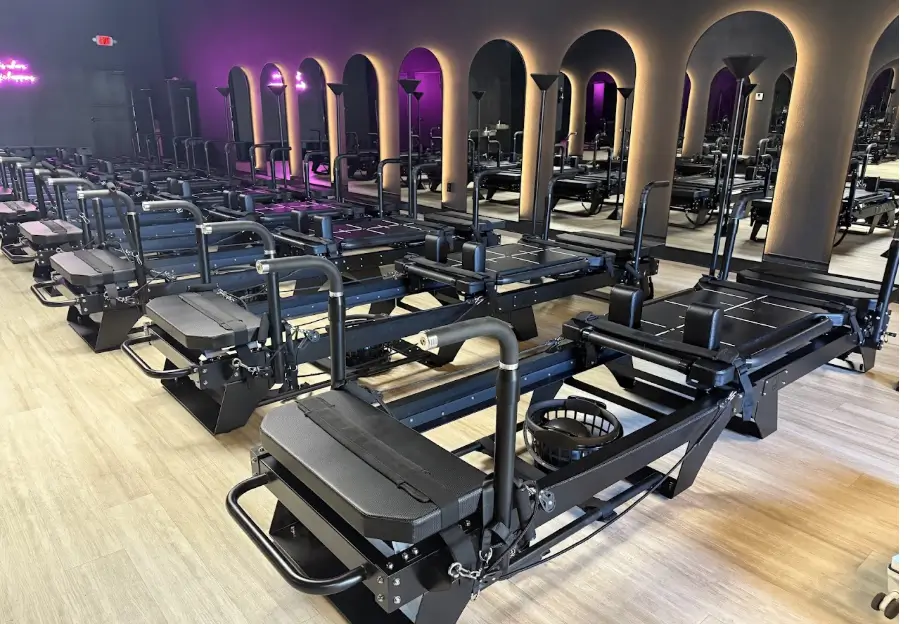
Some people want this training style with more resistance. That is where high-intensity reformer formats come in. They use springs and platforms to create a load. They also allow smooth movement through the range.
Many people know this style from studio-based formats. The key idea is not brand names. The key idea is the method. Slow tempo. Full-body sequencing. Constant core engagement.
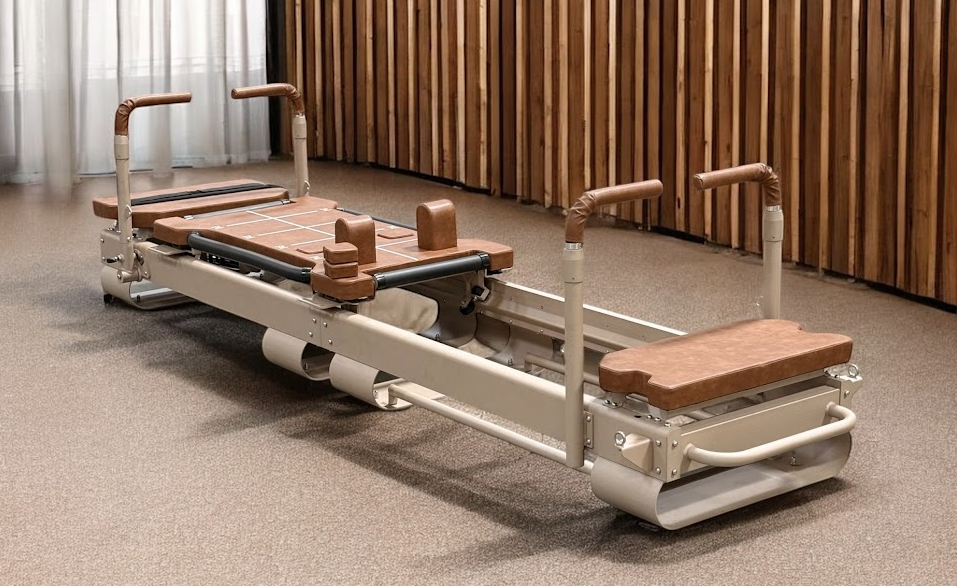
Some people explore home options that follow the same principles. A modern Lagree pilates machine option can support that goal for home training. It provides a controlled resistance setup for full-body work.
Sculptformer is one of the machines in this category. It is built for high-resistance Pilates sessions. It supports strength, posture, and balance work in one flow. It is also often compared with other studio-style systems.
What A Session Usually Includes
A balanced session blends core, legs, and upper body. It also keeps transitions smooth. Here is what it often looks like.
Warm-Up and Activation
This prepares joints and switches on stabilisers.
- Spinal mobility and breathing
- Glute activation and hip opening
- Shoulder stability prep
Strength Block
This is the main work. It often uses a slower tempo.
- Lunges and squats with control
- Pressing and pulling patterns
- Core sequences between sets
Endurance Finish
This builds stamina under tension.
- Longer sequences with minimal rest
- Smaller ranges with constant engagement
- Finishers that tax the core and legs
Cool Down
This brings the body back down.
- Hip flexor release
- Thoracic mobility
- Breath and posture reset
This structure keeps sessions complete. It also keeps them repeatable.
Who This Training Style Works Best For
This method suits many different people. It is also flexible across skill levels.
People With Joint Sensitivity
Low impact helps protect joints. Smooth resistance supports better alignment. This can make training feel safer.
People With Desk Posture Issues
Core and upper back work support posture. Repetition builds better habits. That can change daily comfort.
People Who Want Lean Muscle
Time under tension supports lean development. Full-body work also increases overall training density.
People Who Need Efficient Workouts
Sessions can be shorter and still effective. Thirty to forty minutes can deliver a full-body stimulus.
Common Mistakes to Avoid
Good form matters more with slow work. Small errors add up quickly.
- Rushing reps to finish faster
- Letting ribs flare during core work
- Locking knees during standing sequences
- Losing shoulder position under fatigue
- Skipping warm-up and starting cold
These are easy to fix with awareness. Slow training makes awareness easier.
Final Thoughts
Strength, posture, and balance are not separate goals. They work together in real life. Training should reflect that reality.
Controlled, resistance-based Pilates training does that well. It builds lean strength without heavy weights. It improves alignment through repetition. It strengthens stabilisers that support confident movement.
The best method is the one done consistently. Start simple. Keep sessions controlled. Track progress in small steps. Then let the system do its job.