


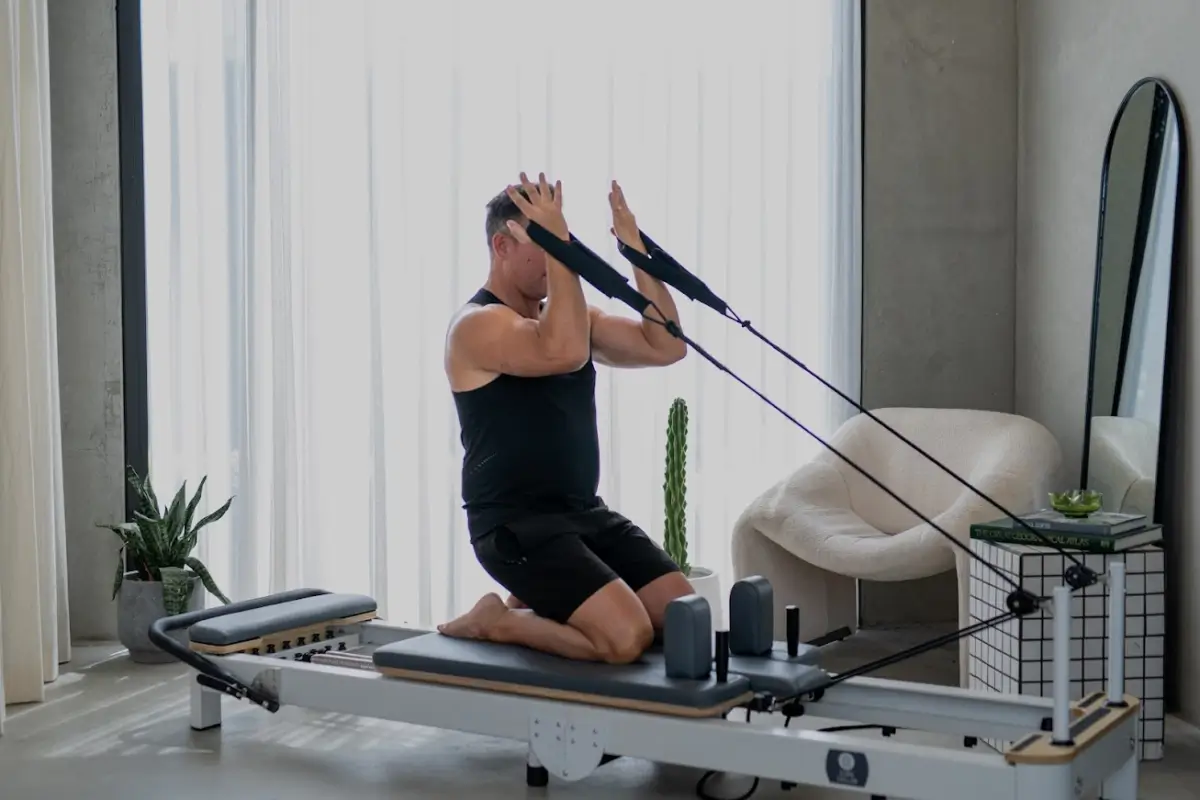
Shoulder pain can ruin good training fast. Pressing feels risky. Pulling feels pinchy. Even carrying bags can flare it up.
The problem is rarely “weak shoulders” alone. Most of the time, it is a mix. Poor posture. Tight front-body muscles. Weak upper-back support. And training that loads the joint too soon.
A better plan exists. It builds strength while protecting the joint. It uses control, smart ranges, and steady progress. It also keeps the shoulder working with the rib cage and spine.
This is not a diagnosis or a cure. Persistent pain needs a clinician. But training choices still matter. The right approach often makes movement feel safe again.
Why Shoulder Pain Shows Up During Strength Training
The shoulder is built for motion. It needs the shoulder blade to glide well. It needs the ribs to stay stacked. It also needs the upper back to share the load.
Many workouts ignore those basics. They jump straight into heavy pressing. Or they chase burn and fatigue with poor form. That is when irritation builds, especially with rotator cuff problems showing up over time.
Common triggers include these patterns.
- Elbows flaring wide during pressing
- Shoulders shrugging up under effort
- Ribs popping up during overhead work
- Too much chest work and too little pulling
- Training to failure with sloppy reps
Desk posture adds to the problem. Rounded shoulders change how the joint sits. That can make pressing feel “jammed” fast.
Build The Base Before Loading The Joint
Upper-body strength is not only arms and chest. It starts with shoulder position. That position comes from the shoulder blade and upper back.
This is where simple Pilates tools can help. They teach control first. They also build strength without heavy impact or fast momentum.
For home training, a safe chair pilates training approach can be a strong option. It lets the body train pushing and pulling patterns with more control. It also keeps the spine and shoulder blades working together.
This matters for sore shoulders. When the ribs stay stacked, the joint tracks better. When the shoulder blade moves well, pressing often feels smoother.
The Shoulder-Saving Rules That Make Strength Feel Better
The joint does not need “babying.” It needs better rules. These rules reduce irritation while still building muscle.
- Keep the ribs stacked: A flared rib cage changes shoulder mechanics. It also turns presses into back-bending.
- Use a pain-free range first: Depth is not the goal. Clean control is the goal. The range can grow later.
- Pull more than pressing at first: Many shoulders feel better with extra upper-back work. Rows and pulls restore balance.
- Slow the lowering phase: Slow reps expose weak points. They also reduce joint shock.
- Stop 2 reps before failure: Grinding reps often bring shrugging and flaring. Quality beats ego.
These rules help most people train again. They also make progress feel safer.
What To Train Instead Of More Press-Ups And Heavy Pressing
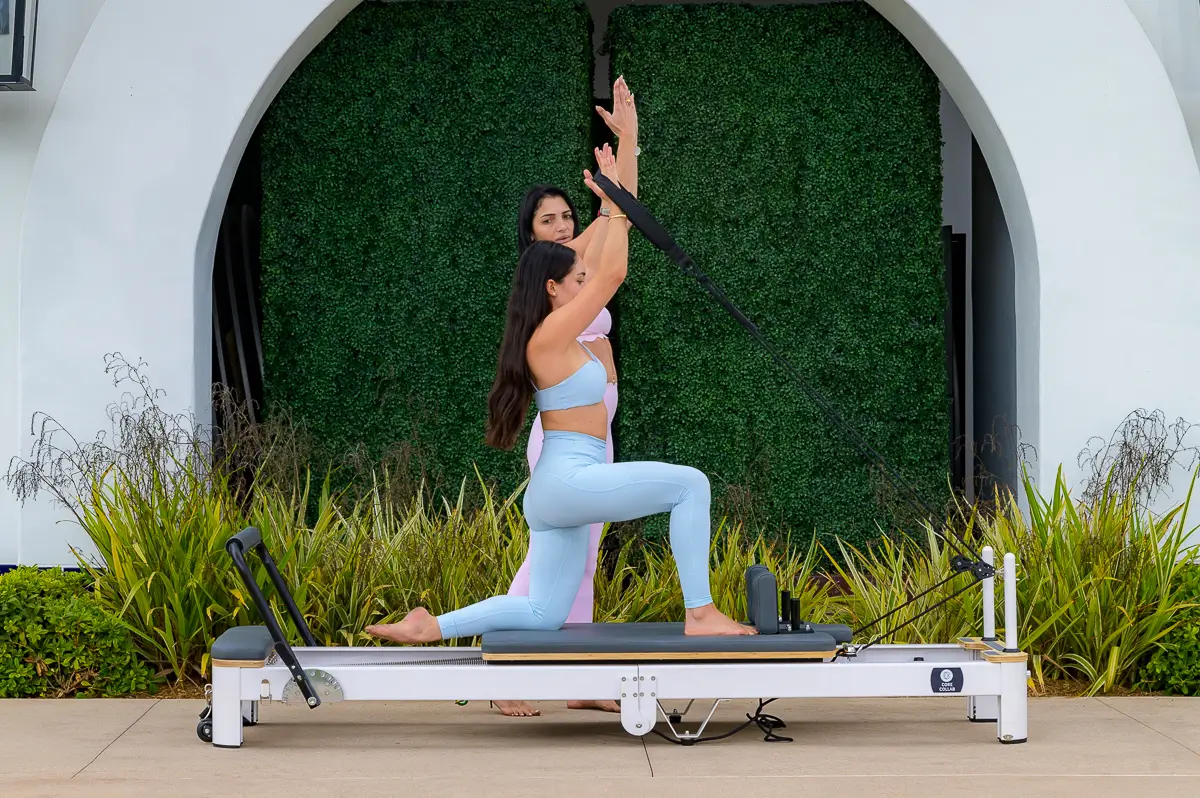
Some moves are “good,” but poorly timed. Heavy pressing is one of them. Shoulders often need support work first.
If support work is needed first, this shoulder conditioning program is a solid starting point.
Rows And Pulling Patterns
Pulling trains the muscles that centre the shoulder. It also strengthens the mid-back. That improves posture and shoulder comfort.
Good choices include supported rows and band rows. Keep the elbows closer to the body. Keep the neck relaxed.
Scapular Control Work
Scapular control means shoulder blade control. It is not flashy. It is often the missing piece.
Try wall slides or slow scapular push-ups. Focus on smooth movement. Avoid shrugging.
Angled Pressing
Flat pressing can irritate some shoulders. Angled pressing can feel better. The shoulder stays in a safer line.
Incline press-ups against a bench work well. So do light dumbbell presses at a mild incline.
Carries And Holds
Carries train the shoulder to stabilise under load. They also train the trunk. That helps shoulder alignment.
Start with light weights. Keep the ribs down. Keep the shoulder blade “set,” not jammed.
How To Progress Without Making Pain Worse
Progress matters. But shoulders hate big jumps. A smart plan uses small changes.
Pick one lever at a time.
- Add 2 reps per set
- Add one set for one move
- Slow the lowering phase by 1 second
- Reduce rest by 10 to 15 seconds
- Increase range only if form stays clean
Progress should feel boring. That is a good sign. Boring progress tends to stick.
If pain rises, pull back fast. Reduce the range first. Then reduce the load. Keep movement clean and calm.
The Form Checks That Protect Shoulders During Workouts
Small form errors cause most flare-ups. These checks keep training safer.
- Neck check: Keep the neck long. Stop shrugging.
- Elbow check: Do not flare wide during pressing.
- Rib check: Keep ribs stacked over hips.
- Wrist check: Keep wrists neutral in pressing positions.
- Tempo check: Slow down when fatigue hits.
These checks matter more than exercise choice. The right move done badly still hurts.
Red Flags That Need Professional Help
Some shoulder issues should not be “trained through.” These signs deserve a clinician.
- Pain that wakes sleep often
- Weakness that is getting worse
- Numbness or tingling down the arm
- A sudden “pop” with loss of strength
- Pain that keeps rising week to week
Training should build confidence. It should not create fear. If fear is building, it is time to get assessed.
Final Thoughts
Shoulder pain does not mean upper-body training must stop. It usually means the approach needs upgrading. More control. Better alignment. More pulling. Smarter progress.
Start with clean movement and pain-free ranges. Build the upper back and shoulder blade support. Then bring pressing back in slowly.
The goal is strength that feels good the next day. That is the kind of strength that lasts.