


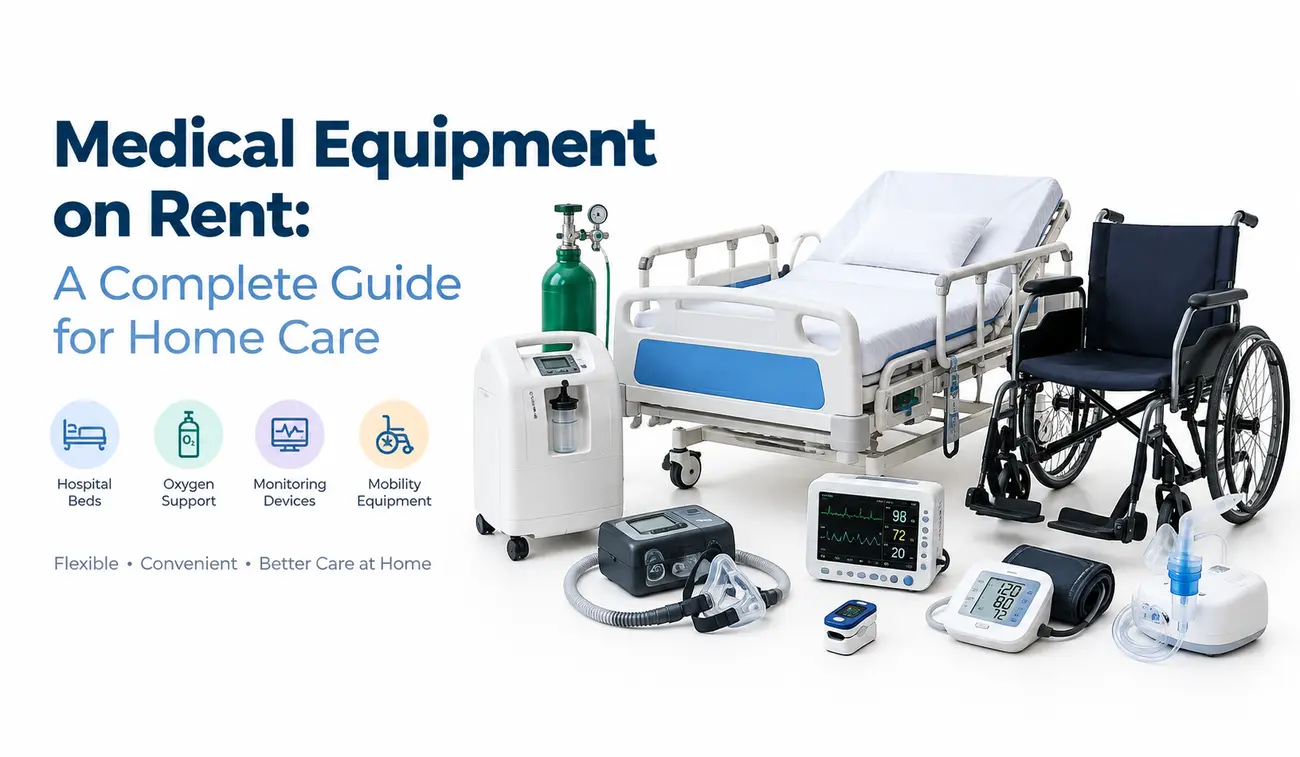
When a family member returns home from the hospital, the list of equipment that the doctor suggests can seem long and costly. Many families find that medical equipment on rent offers a sensible middle path, especially when the need may last only a few weeks or months. This guide covers what families usually rent, how the rental process works, and what to look at before signing a contract.
Why Families Choose to Rent
Renting works well when the need is only temporary or uncertain. A patient who is healing from a broken bone or joint surgery might need a walker and a hospital bed for a few weeks. A person with a long‑term health issue may require equipment for months or even years, and renting helps the family spread out the expense over time.
Renting also saves space. Many homes have limited room, and equipment that is no longer needed can be returned instead of sitting unused.
Common Equipment Available for Rent
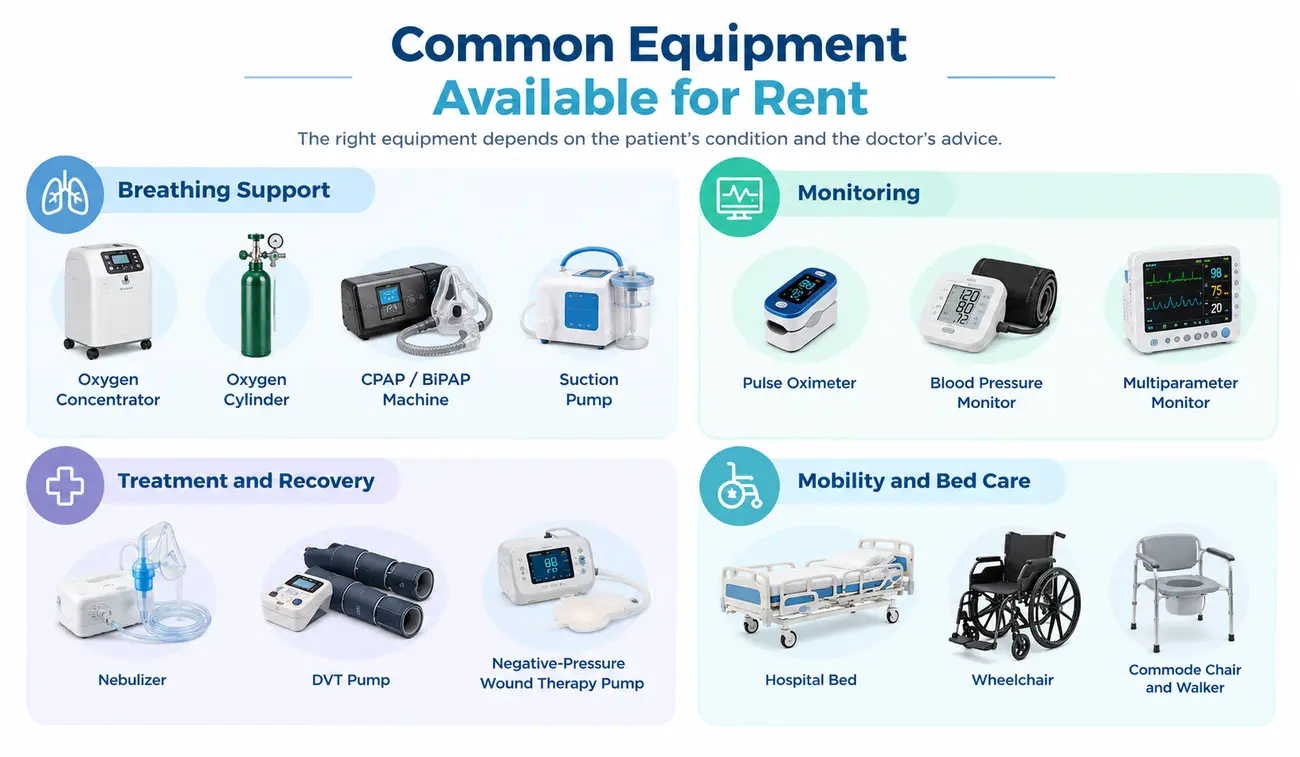
The right equipment depends on the patient’s condition and the doctor’s advice. These are among the items families most often rent for home use.
Breathing support
- Oxygen concentrators: Draw oxygen from room air, so they avoid frequent cylinder refills. They need electricity, so many families keep a cylinder as backup.
- Oxygen cylinders: Suit small oxygen needs or serve as a standby supply.
- CPAP and BiPAP machines: Deliver steady air pressure through a mask. They suit sleep apnea and certain breathing conditions, and the masks are usually single-use for hygiene.
- Portable suction pumps: Help clear mucus or fluid from the airway when a patient cannot do so alone.
Monitoring
- Pulse oximeters: Measure oxygen saturation and pulse rate quickly at home.
- Blood pressure monitors: Including ambulatory models that record readings throughout the day, help doctors guide treatment.
- Multiparameter patient monitors: Show several vital signs on one screen.
Treatment and recovery
- Nebulizers: Turn liquid medicine into a mist for inhalation, often used for asthma.
- DVT pumps: Provide intermittent compression to help prevent deep-vein thrombosis in patients with limited movement.
- Negative-pressure wound therapy pumps: Use a sealed dressing and gentle suction to support wound healing, usually under medical guidance.
Mobility and bed care
- Hospital beds: With semi-fowler or electric adjustment help with sitting up, eating, and getting in and out of bed.
- Wheelchairs, commode chairs, and walkers: Support movement around the home and toilet access.
How Rental Usually Works
Most rental arrangements follow a similar pattern. The family picks the equipment, decides how they want to rent it, and pays a fee each month or each day, sometimes with a deposit. The company brings the equipment over, sets it up, and gives a quick showing. When the time they rented it for is over, the company takes it back.
Read the agreement carefully. Check whether the period can be extended or shortened, find out who handles repairs, and learn what happens if an item breaks down.
Questions to Ask Before You Rent
A few questions can prevent problems later:
- Does the equipment match the patient’s needs? A doctor’s recommendation should guide the choice, especially for oxygen equipment, breathing machines, and monitors.
- Is installation and training included? Caregivers should know how to adjust the bed, operate the equipment, and check settings.
- How is maintenance handled? Ask how quickly a faulty item will be repaired or replaced.
- What is the plan for power cuts? Oxygen concentrators need a backup, and many healthcare professionals advise keeping a cylinder on standby.
- How are delivery and pickup scheduled? Knowing the timeline helps families plan around the patient’s care routine.
Setting Up the Space Safely
Measure the room before delivery to make sure the bed, wheelchair, and other items fit, with space for a caregiver to move around. Keep a path to the bathroom. Remove rugs or cables that could cause falls. Place oxygen equipment away from flames, heaters, and cooking areas. Make sure the room has airflow.
Keep emergency numbers near the bed.
Caring for the Patient Day to Day
Equipment helps with care, but equipment does not replace treatment. Caregivers should follow the treating doctor’s plan, and caregivers should report any changes in the patient’s condition. Check pressure areas regularly for redness or broken skin; help the patient change position and keep a log of medicines, oxygen settings, and vital signs if the doctor recommends one.
Call a doctor right away if you have trouble breathing that does not get better, or you have chest pain, or your lips or fingertips turn blue, or you become less alert suddenly, or you have signs of infection at a wound. If you have trouble breathing that does not get better, or if you have chest pain, or if your lips or fingertips turn blue, or if you suddenly become less alert, or if there are signs of infection, at a wound, always get help right away.
Choosing a Provider
Don’t just compare providers on price. A good rental provider will have clear rental terms, response times, trained staff and will be willing to explain each item. Ask if delivery and installation are included and if the provider sells the equipment as well so you can switch later if your needs change.
With careful planning, the right questions and guidance from the treating medical team, families can create a comfortable and safe space to recover at home.

The ProThots editorial team researches and writes evidence-based content on health, beauty, wellness, and lifestyle