


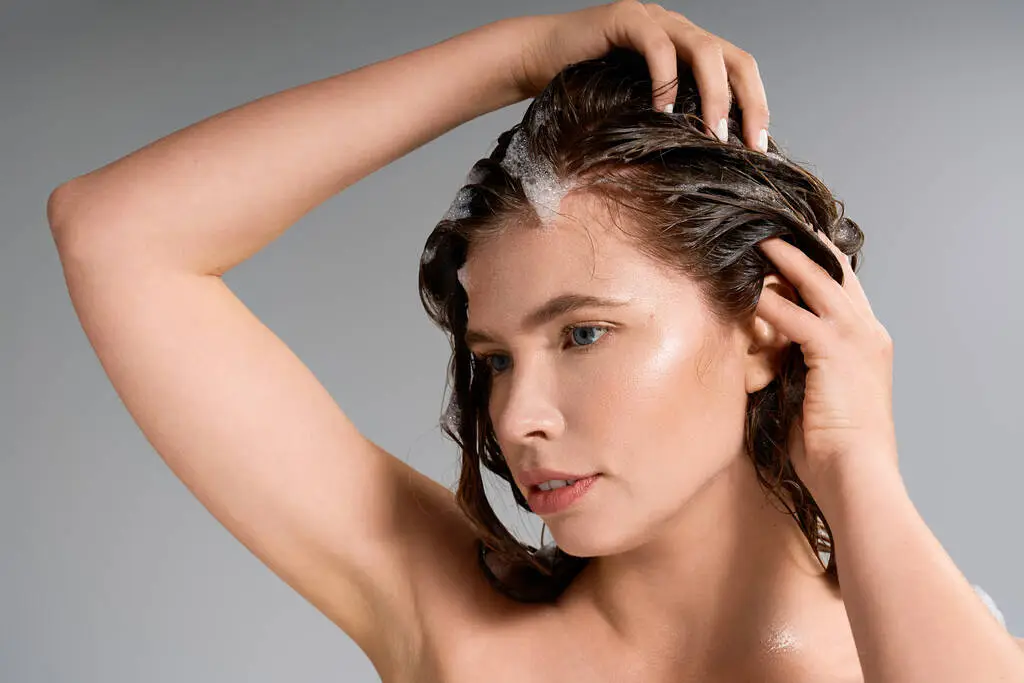
When people think about healthy hair growth, they usually focus on the hair strands. They buy oils, conditioners, masks and serums to make the hair look soft and shiny. But the real starting point is the scalp. Your scalp is where the hair grows from, so if it is dry, itchy, oily, flaky or full of buildup, your hair may not look or feel its best. This is why many people are now moving towards gentle and traditional cleansing options like 63 herb hair wash powder as part of a more natural scalp care routine.
A good scalp care routine does not have to be complicated. It simply means keeping the scalp clean, balanced and nourished without overloading it with harsh products. Just like your skin needs the right cleanser and care, your scalp also needs attention. Choosing suitable hair care products can help support a healthier scalp environment, which in turn may improve the overall appearance, strength and texture of your hair over time.
Why Scalp Care Matters So Much
The scalp is skin, but it is often ignored because it is covered with hair. It has oil glands, sweat glands and hair follicles. When everything is balanced, the scalp supports normal hair growth and keeps the roots comfortable. But when the scalp becomes too oily, too dry or irritated, hair problems can slowly begin.
A neglected scalp can lead to dandruff, itching, greasy roots, blocked follicles and weak-looking hair. Sometimes people assume their hair is the problem, but the issue may actually be sitting at the roots. If the scalp is not clean and healthy, the hair growing from it may also feel dull, rough or fragile.
Healthy hair growth is not just about growing longer hair. It is also about growing hair that feels strong, manageable and full of life. That begins with taking care of the base.
The Connection Between Scalp Health and Hair Growth
Each hair strand grows from a follicle in the scalp. These follicles need a clean and balanced environment to function properly. When the scalp is clogged with sweat, oil, pollution, dead skin and styling product residue, the follicles may not stay as fresh as they should.
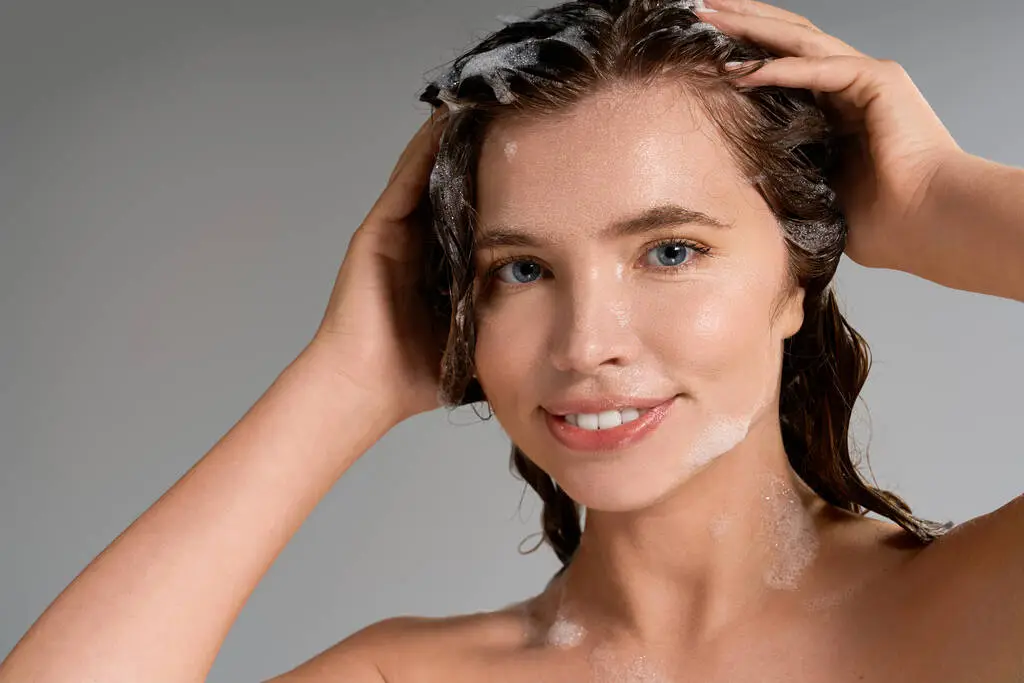
This does not mean your hair will stop growing completely because of buildup. But an unhealthy scalp can make hair feel weaker and may increase concerns like breakage, itching, dandruff and excess shedding. If you keep scratching your scalp, tying your hair tightly or using strong chemical-based cleansers, the roots may feel stressed.
A calm scalp supports better hair care results. Oils absorb better, cleansing feels more effective and the hair appears fresher for longer. That is why scalp care should be seen as the first step, not an extra step.
Common Signs Your Scalp Needs More Care
Your scalp usually gives signs when something is not right. The most common signs include regular itching, white flakes, oily roots soon after washing, scalp tightness, redness, rough patches or a heavy feeling near the roots.
You may also notice that your hair looks flat even after washing. This can happen when there is too much buildup on the scalp. In some cases, the hair may feel dry at the ends but oily at the roots. This usually means the scalp is producing oil, but the hair lengths are not getting enough moisture.
Another sign is discomfort after using certain shampoos or styling products. If your scalp burns, stings or feels unusually dry after washing, your cleanser may be too harsh for you. A gentle routine can make a big difference here.
Start with Gentle Cleansing
Cleansing is the foundation of scalp care. But cleansing does not mean scrubbing aggressively or washing every day without reason. The goal is to remove excess oil, sweat, dust and buildup while keeping the scalp comfortable.
If you have an oily scalp, you may need to wash your hair more often. If your scalp is dry, washing too frequently can make it feel tighter and more irritated. The right frequency depends on your scalp type, lifestyle and climate.
For people who sweat a lot, travel daily or live in polluted cities, regular cleansing becomes even more important. Sweat and pollution can sit on the scalp and make it itchy. However, using strong shampoos again and again can strip the scalp. This is where gentle herbal cleansers and mild routines can be useful.
Do Not Ignore Scalp Massage
A simple scalp massage can do more than just feel relaxing. It helps improve blood circulation and reduces tension. When done with light pressure, it can also help loosen buildup before washing.
Use your fingertips, not your nails. Move slowly in circular motions across the scalp. You can do this with or without oil. If you are using oil, take only a small amount. Too much oil can be difficult to wash out and may attract more dirt if left for too long.
For best results, oil your scalp for one to two hours before washing. Leaving oil overnight may suit some people, but it can be uncomfortable for those with dandruff or oily scalp. Listen to your scalp instead of following one fixed rule.
Keep Dandruff and Flakes Under Control
Dandruff is one of the most common scalp concerns. It can make the scalp itchy and uncomfortable. Mild dandruff can often be managed with better cleansing, less product buildup and calming ingredients like neem, aloe vera or fenugreek.
But it is important to understand what type of flakes you have. Dry flakes usually come with tightness and dryness. Oily dandruff may feel sticky and may come back quickly even after washing. Both need different care.
Avoid scratching your scalp when it feels itchy. Scratching may give temporary relief, but it can irritate the skin further. Instead, wash your scalp properly, rinse thoroughly and avoid leaving heavy products near the roots.
Condition the Hair, Not the Scalp
Conditioner is useful for softening the hair lengths, but it should usually not be applied directly to the scalp unless the product is specifically made for scalp use. Applying conditioner to the roots can make the scalp greasy and may cause buildup.
Apply conditioner from the mid-lengths to the ends. These parts of the hair are older and need more softness. The scalp already produces natural oil, so it usually does not need regular conditioner.
This small habit can help your scalp feel cleaner for longer and prevent the hair from looking flat too soon after washing.
Eat Well for Better Hair Health
Topical care is important, but hair also needs nutrition from within. If your body is low on protein, iron, zinc, vitamin D, B vitamins or healthy fats, your hair may feel weak or thin.
Try to include protein-rich foods like dal, sprouts, paneer, eggs, fish, nuts or seeds depending on your diet. Drink enough water and avoid skipping meals often. Crash diets and poor sleep can also affect hair growth.
Stress is another major factor. You may notice more hair fall during stressful periods. While scalp care helps from the outside, rest, movement and balanced food support the body from the inside.
Avoid Overstyling and Harsh Treatments
Frequent heat styling, tight hairstyles and chemical treatments can affect both the scalp and hair. Tight buns, ponytails and braids can pull at the roots and cause tension. Heat styling can dry out the hair, making it more likely to break.
If you use styling tools, keep them limited. Let your hair air-dry when possible. Avoid applying gels, sprays or heavy creams too close to the scalp. These products can build up quickly and make the scalp feel sticky.
A simple hair routine is often better than an overloaded one. Your scalp does not need too many products. It needs the right products used consistently.
Build a Simple Scalp Care Routine
A good scalp care routine can be very easy to follow. Start by washing your hair based on your scalp type. Massage gently before or during washing. Rinse properly so no cleanser is left behind. Use conditioner only on the lengths. Keep your comb clean and avoid sharing it with others.
Once a week, you can use a mild herbal hair pack or scalp rinse if it suits you. Avoid trying too many remedies at once. When you introduce too many products together, it becomes difficult to know what is helping and what is causing irritation.
Consistency matters more than complexity. Even a basic routine followed regularly can improve how your scalp and hair feel.
When to Take Professional Help
Natural scalp care can help with mild dryness, itching, flakes and buildup. But if you have severe dandruff, sudden hair fall, bald patches, wounds, swelling, pain or constant redness, it is better to visit a dermatologist.
Sometimes scalp issues are linked to fungal infections, hormonal changes, deficiencies or skin conditions. In such cases, home care may not be enough. Getting the right diagnosis can save time and prevent the problem from getting worse.
Final Thoughts
Healthy hair growth starts with a healthy scalp. If the scalp is clean, balanced and comfortable, the hair has a better foundation to grow and stay strong. Instead of only focusing on hair length or shine, pay attention to what is happening at the roots.
A gentle cleansing routine, light oiling, proper rinsing, balanced food and less product overload can go a long way. Scalp care is not a trend. It is one of the most basic parts of hair care, and once you start giving it attention, your hair routine becomes much more effective.

The ProThots editorial team researches and writes evidence-based content on health, beauty, wellness, and lifestyle