


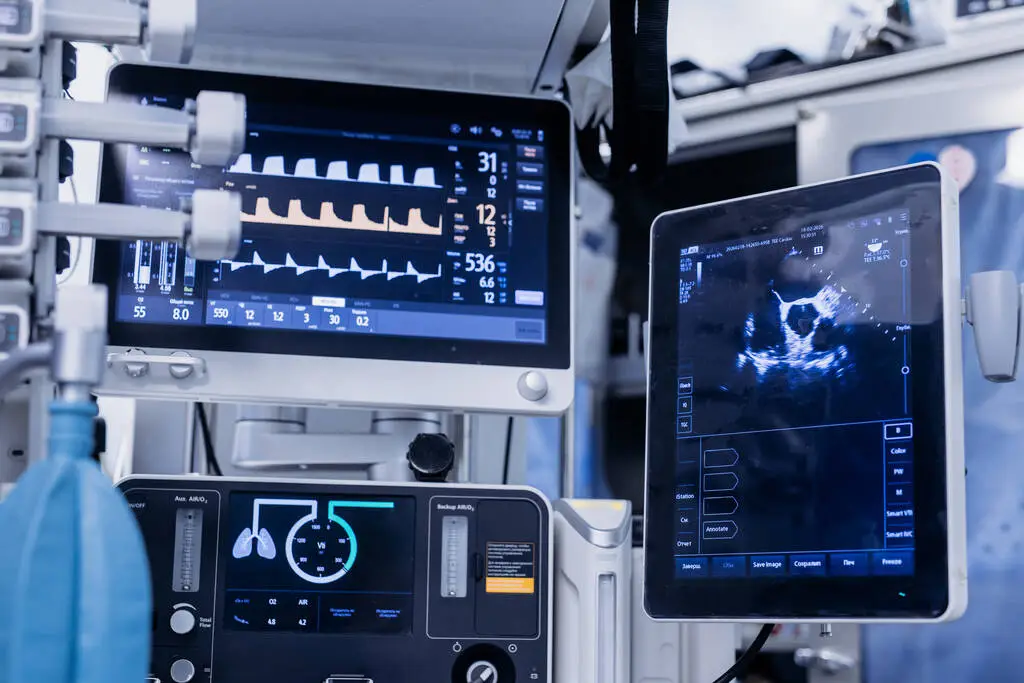
Buying a patient monitor is an important decision for hospitals, clinics, ICUs, nursing homes, emergency rooms, and even advanced home-care setups. A good monitor helps medical staff track vital signs in real time, respond faster to changes, and maintain better patient safety. However, with so many models available in India, choosing the right one can feel confusing.
Some monitors are built for basic vital sign tracking, while others are designed for critical care with advanced parameters, alarms, data storage, and connectivity. This guide explains the key features, technical specifications, and expected price ranges so you can make a practical buying decision.
What Is a Patient Monitor?
A patient monitor is a medical device used to continuously or periodically measure a patient’s vital signs. Depending on the model, it can track parameters such as ECG, SpO2, pulse rate, non-invasive blood pressure, respiration rate, temperature, EtCO2, and invasive blood pressure.
These monitors are commonly used in ICUs, operation theatres, emergency departments, recovery rooms, ambulances, wards, and diagnostic centres. The main purpose is to give doctors and nurses a clear view of the patient’s condition so they can take timely action when readings move outside safe limits.
Common Types of Patient Monitors
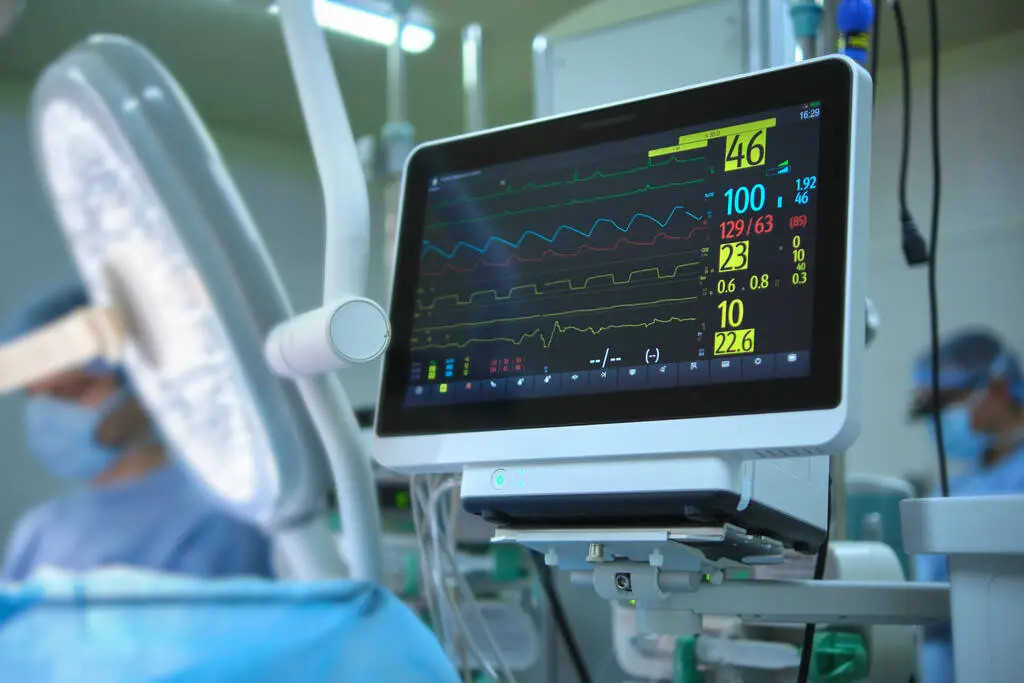
The right monitor depends on where and how it will be used.
A basic vital sign monitor is suitable for outpatient departments, small clinics, and routine checks. It generally measures SpO2, pulse rate, NIBP, and sometimes temperature.
A 5-parameter monitor is one of the most common options for hospitals and nursing homes. It usually tracks ECG, SpO2, NIBP, respiration, and temperature. This type works well for general wards, emergency rooms, and many ICU applications.
A 7-parameter or advanced multipara monitor includes additional options such as EtCO2, IBP, dual temperature, advanced ECG analysis, and sometimes printer or central monitoring compatibility. These are preferred for ICUs, OTs, cardiac care, and critical patients.
Portable monitors are compact and lightweight, making them useful for ambulances, patient transfer, bedside care, and smaller clinical spaces.
Key Features to Check Before Buying
The first thing to check is parameter support. For general use, a 5-parameter monitor may be enough. For ICU or OT use, you may need EtCO2, IBP, arrhythmia analysis, ST segment analysis, and advanced alarm settings.
Display quality is another important factor. A screen size between 7 inches and 12 inches is common. Larger screens are easier to read from a distance, especially in busy hospital environments. Look for high-resolution colour TFT or LED displays with clear waveforms and numeric values.
Alarm settings should be reliable and easy to adjust. A good monitor must provide visual and audio alarms for abnormal heart rate, low oxygen saturation, blood pressure changes, apnea, and technical issues such as loose probes or disconnected leads.
Battery backup is essential, especially for emergency care, transport, power cuts, and smaller facilities. A monitor with a dependable rechargeable battery gives more flexibility during patient movement.
Data storage and trend review are also useful. Many modern monitors store trend data, waveforms, and event history, helping clinicians review patient progress over time.
Ease of use matters more than many buyers realise. A complicated interface can slow down staff during emergencies. Choose a monitor with simple controls, clear menus, and quick access to major functions.
Important Specifications to Compare
When comparing models, check the ECG configuration first. Most monitors offer 3-lead or 5-lead ECG support. For cardiac care, better ECG analysis and arrhythmia detection may be required.
For SpO2, check sensor quality, accuracy, and compatibility with adult, paediatric, and neonatal patients. Poor-quality probes can lead to unstable readings.
For NIBP, check measurement modes such as manual, automatic, and continuous interval monitoring. Also confirm cuff sizes because hospitals may need adult, child, and neonatal cuffs.
Temperature measurement may be single-channel or dual-channel depending on the monitor. Dual temperature is useful in critical care.
Respiration monitoring should be stable and clearly displayed through waveform and numeric values.
For advanced use, check if the monitor supports EtCO2 and IBP. These features are especially useful in ICU, anaesthesia, ventilation, and high-risk surgical cases.
You should also check printer compatibility, LAN or Wi-Fi support, central monitoring system compatibility, USB export, wall-mount options, and trolley compatibility if required.
Patient Category Compatibility
A good monitor should clearly mention whether it supports adult, paediatric, and neonatal patients. This is especially important for hospitals, maternity centres, paediatric clinics, and NICU setups.
Neonatal monitoring requires higher sensitivity and suitable accessories. Do not assume every monitor can be used safely for newborns unless the product specifications mention neonatal compatibility.
Price Ranges in India
Patient monitor prices in India vary widely based on brand, parameters, accessories, display size, warranty, and advanced features.
Basic vital sign monitors usually start from around ₹12,000 to ₹25,000. These are suitable for clinics, OPDs, small nursing homes, and basic monitoring needs.
Standard 5-parameter monitors generally fall between ₹25,000 and ₹70,000. These are commonly used in hospitals, emergency rooms, recovery areas, and general wards.
Advanced multipara monitors with features such as EtCO2, IBP, printer, advanced ECG analysis, better storage, and central monitoring support may cost between ₹70,000 and ₹1,50,000 or more.
Premium ICU and OT monitors from well-known brands can go beyond ₹1,50,000 depending on configuration. The final cost may increase if you add modules, special sensors, neonatal accessories, or network connectivity.
What Affects the Price?
The number of parameters is one of the biggest price factors. A 5-parameter monitor is usually more affordable than a 7-parameter or modular ICU monitor.
Brand reputation also affects pricing. Established brands may cost more, but they often provide better service support, spare parts availability, and long-term reliability.
Accessories can change the final cost. ECG cables, SpO2 probes, NIBP cuffs, temperature probes, IBP cables, EtCO2 modules, and printer paper may or may not be included in the base price.
Warranty and after-sales support are equally important. A cheaper monitor may become expensive later if service is poor or spare parts are difficult to find.
Buying Tips for Hospitals and Clinics
Start by identifying the use case. A small clinic may not need an advanced ICU monitor, while a critical care unit should not rely on a basic model.
Check product certifications, warranty details, service availability, and return policy before buying. Always confirm what accessories are included in the box.
Compare models based on long-term value, not only the lowest price. A monitor with good accuracy, strong alarms, reliable battery, and service support is usually a better investment.
For hospitals buying multiple units, standardising one or two models can make staff training, maintenance, and accessory replacement easier.
When ordering from online medical supplies platforms, review specifications carefully and confirm whether the product is suitable for your clinical environment.
Final Thoughts
A patient monitor is not just another hospital device; it plays a direct role in patient observation and clinical response. The best choice depends on your facility type, patient category, required parameters, budget, and service expectations.
For basic care, a vital sign or 5-parameter monitor may be enough. For ICU, OT, emergency, and cardiac care, investing in an advanced multipara monitor is usually more practical. Before finalising, compare specifications, check accessories, confirm support, and choose a model that fits both your current requirements and future clinical needs.

The ProThots editorial team researches and writes evidence-based content on health, beauty, wellness, and lifestyle